

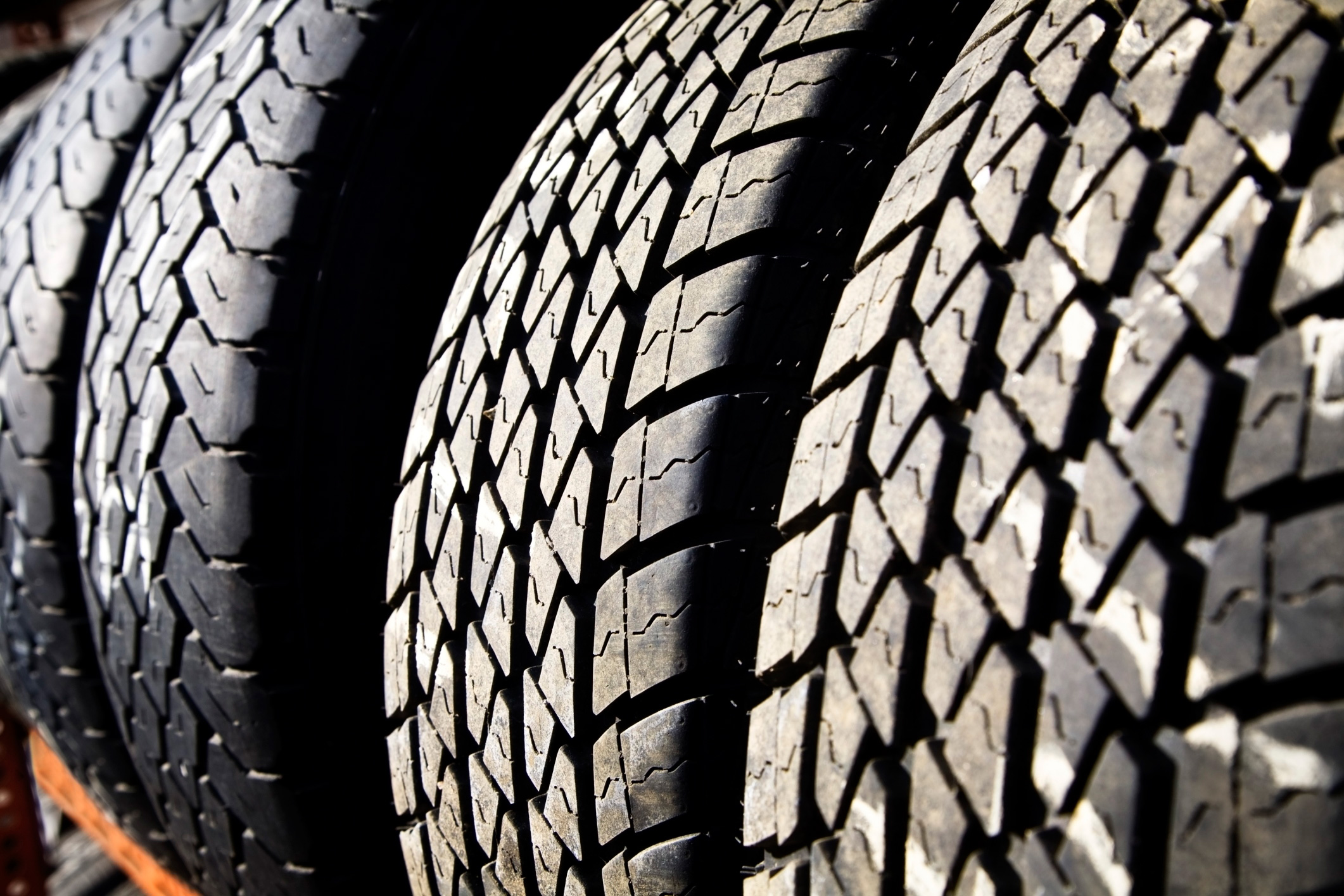
Tires play a more important part of driving than you may think—but when you realize that they are the only part of the car in contact with the road, you get a new appreciation for what tires do, and why appropriate tire sizes are important.
Tire Size
Firstly, it’s important to know the basics of tire size. Look at the sidewall of a car tire and you will find a set of numbers. For arguments sake, let’s say that the numbers are 205/50 R16. If there isn't a letter preceding the three-digit numeric portion of a tire size, it means the tire is a "Metric" size. This is often used in vans and SUVs. Breaking those numbers down, 205 is the actual width of the tire in millimeters (in this case just over eight inches). The number 50 is known as the sidewall ratio, which describes how thick the tire is from the rim of the wheel to the tread. In this case the sidewall is 102.5 (50 percent of the tread width). The final number with ‘R’ before it is the diameter of the wheel the tire is designed to be mounted on, so in this case the inner diameter of the tire is 16 inches. Of all the dimensions this last number is the most important, as it means that the tire will only fit safely on a wheel with a diameter of 16 inches. Why the mixture of imperial and metric measurements? It’s just the way tire design evolved, both in the U.S. and Europe.
Tread Width
This dictates how much of a contact patch the tire has on the road – that is, the amount of rubber in contact with the road. While it is generally considered best to have the most contact with the road, there are several reasons why it should not go to extremes. A wider tire also spreads the weight of the car out further, resulting in a less firm grip on wet roads. More power is required to turn wider tires so fuel costs increase. Finally, very wide tires can be prohibitively expensive. Lesser factors are that by going to a very wide tire you tend to reduce the amount of feedback through the steering if you are a rather sporty driver. You can usually put a tire that is 10mm wider on the same width rim, but more than that and you will have to buy new wheels to fit the new tires.
Sidewall depth
As the depth of the sidewall decreases, ride quality also decreases. This is because the tire is actually the first component of your suspension—essentially a large, air-filled spring that absorbs shock from bumps and holes in the road. As the sidewall depth decreases, tire designers have to make the sidewalls thicker to support the weight of the car. This, along with the decreased compression area, has the effect of lessening the tire’s ability to absorb bumps and holes, making your suspension work harder to cope, and consequently making the ride significantly less comfortable. In extreme sports cars this is an acceptable trade-off, but many people will find excessively low profile tires uncomfortable.
Tire diameter
This is of course where things start to get a bit silly at the extreme end. The trend for larger diameter wheels means that if you go for larger wheels you will have to buy new tires. The standard tires simply will not fit.
Also of note is that the exterior diameter of the tire must be kept, otherwise the different rolling diameter of the wheel will affect the car’s gearing, acceleration, and most importantly the cars speedometer reading, giving you inaccurate speed readout.
So it’s vitally important for the ride and handling of your car to have the correctly sized wheel and tire combinations. This is not something you should do at home but rather go to the DAS Demo service department for advice and work.
